


Every so often I find myself getting a bit too gloomy about Birmingham and the wider West Midlands. It is hard not to. We have political parties that once strutted about like permanent fixtures and now look like they might collapse under the weight of their own contradictions. Some could disappear entirely within five years. Five years ago that would have sounded ridiculous. Today it sounds realistic.
But whenever I start drifting into that doom-and-gloom territory, something steadier pulls me back. Birmingham was here before any politician walked the earth, and it will be here long after today’s crop have been forgotten. That is the truth of the place. Not sentiment. History.
Long before councils, speeches or party loyalty cards, there was Beormingahām, the home of the people of Beorma. A small cluster of families on the high ground. Timber huts. Smoke rising. Animals meandering about. People getting on with life, as they do. No Westminster. No manifestos. Just a settlement that refused to disappear.
When the Domesday surveyors arrived in 1086 they found a tiny hamlet tucked into the old Hemlingford Hundred. Perhaps fifty to one hundred people. Nothing grand. Nothing glamorous. But something solid. A beginning.
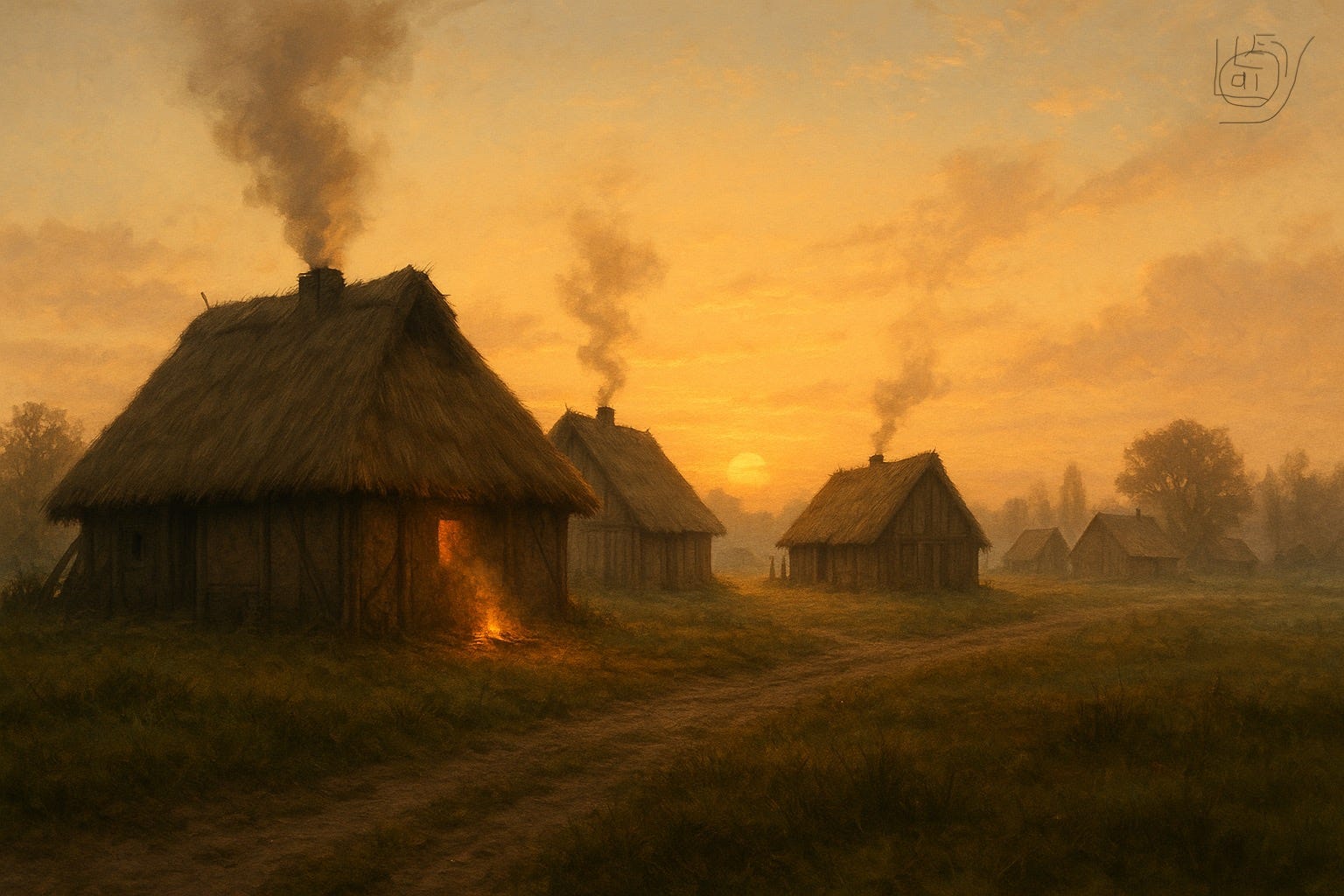
Caption: Where Birmingham began. A handful of homes, a rising fire, and a day’s work ahead.
The real turning point came in 1166 when Peter de Birmingham paid for a royal charter from Henry II. Kings did not issue charters out of kindness. They issued them as invoices. Peter paid the Crown for the right to hold a market, and that single act did more to shape Birmingham than any modern political initiative you could name.
The market grew. The craftsmen arrived. The traders came. And soon the little hilltop hamlet was becoming a proper town. A place of energy and noise. A place that did not ask permission to succeed.
Across the centuries Birmingham expanded because ordinary people built it, worked it and invested themselves in it. The city grew through monarchies, plagues, civil wars, revolutions, industrial booms and industrial ruin. It grew because the people here do not quit. They carry on.
Today, when political parties feel like they are unravelling, and Westminster seems increasingly remote, the same old truth reasserts itself. Politicians rise and fall. Birmingham keeps going. You only have to look around to see it.
The cranes still move.
The workshops still hum.
The students still arrive.
The city still breathes.
It is the same instinct that kept Beorma’s people warm around their fires. The same instinct that pushed Peter de Birmingham to buy the charter. The same instinct that fuelled every forge, workshop and factory that once lit the Midlands sky.
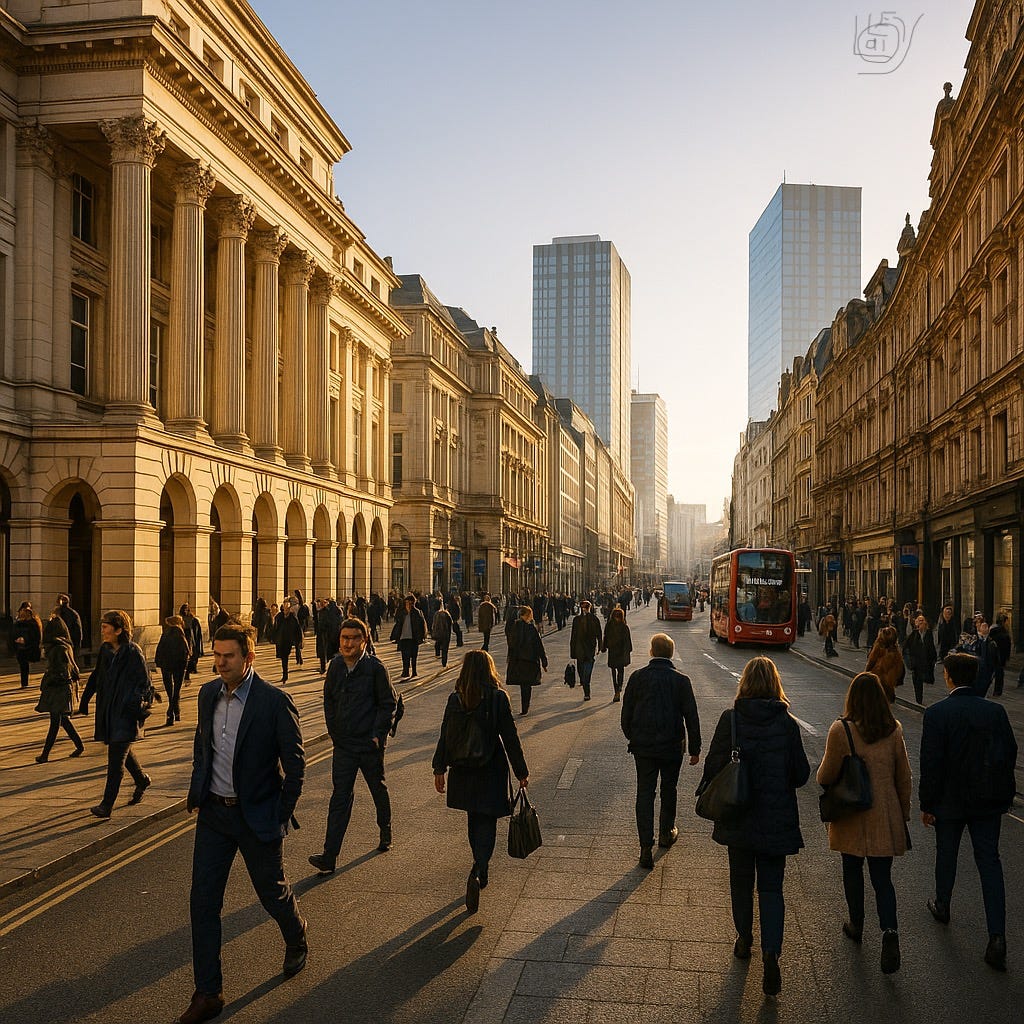
[INSERT IMAGE: MODERN BUSY BIRMINGHAM]
Caption: A thousand years later. The same sunrise, but a city that refuses to stop rising.
This is why Birmingham will outlast the political turbulence of today. The city does not depend on them. It never has. It draws its strength from the people who work, build, argue, celebrate and get up every morning ready to give life another go. Parties may splinter and governments may lose their shine, but Birmingham knows how to get on with things.
And that is the point to remember.
The city was here before the politicians.
It will be here long after them.
And perhaps that is Birmingham’s greatest source of pride.