

With just over a week to go before Christmas, trade is steady rather than spectacular at The Good Intent Pub, buoyed by out-of-town visitors and corporate year-end gatherings passing through Birmingham city centre. In an industry where many venues have already disappeared, The Good Intent remains one of the more resilient survivors of the city’s nightlife and hospitality scene.
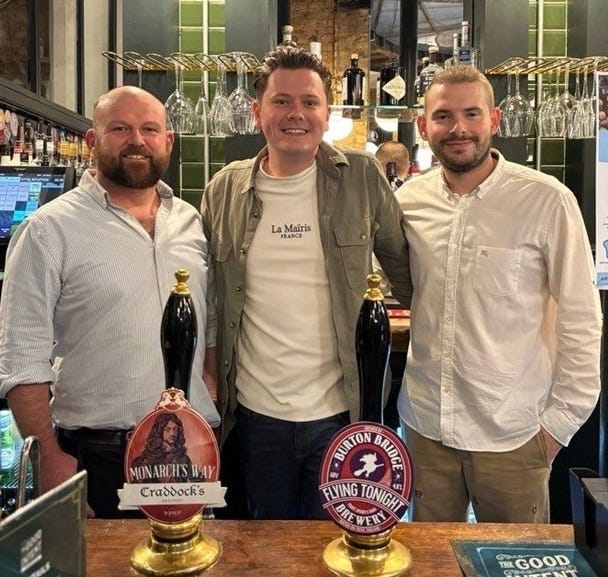
Tucked into the Grade II listed Great Western Arcade, the pub trades on atmosphere rather than visibility. Its preserved interior and restrained festive decoration stand in contrast to the pressures facing the sector outside its doors. Inside, a small but disciplined team works long shifts to keep pace with demand. They are led by manager Haig Loveitt, whose background includes Michelin-starred kitchens at Northcote in Blackburn and Aktar Islam’s Opheem.
Loveitt is cautious when asked about the festive period. “This Christmas looks a little stronger than last year,” he says, “but that’s a low bar. We rely heavily on Colmore Row regulars and people passing through the arcade. We’d do more business on a high street, but for now we’re holding our own.”
Holding one’s own has become a strategic aim rather than a given. The Good Intent operates as a not-for-profit pub, a rare model in modern hospitality. It is the only such venue among the four pubs owned by David Craddock’s Stourbridge-based brewery, founded in 2006. The brewery supplies its own pubs almost exclusively, a deliberate attempt to keep operations local and contained.
The not-for-profit model has drawn scrutiny as well as praise. In November last year, Birmingham Live reported that The Good Intent had not donated profits for five years following its launch in 2019. Less prominent in that coverage was the explanation: the pub had operated at a loss for much of that period, hit by pandemic disruption, rising costs, and reduced footfall. The distinction mattered, but was easily lost once the headline took hold.
Since then, Craddock and the pub’s management have focused on restoring financial stability. That effort is now being measured publicly through donations rather than promises. Earlier this month, The Good Intent donated £12,000 to the LoveBrum charity, followed by a further £2,750 to Birmingham Hospice.
Loveitt and assistant manager Will Turner have also committed to a charity skydive in January 2026 to raise funds for Birmingham Children’s Hospice. “It’s partly about raising money,” Loveitt says, “but also about visibility. People are cutting back on eating and drinking out. We need to remind them we’re here.”
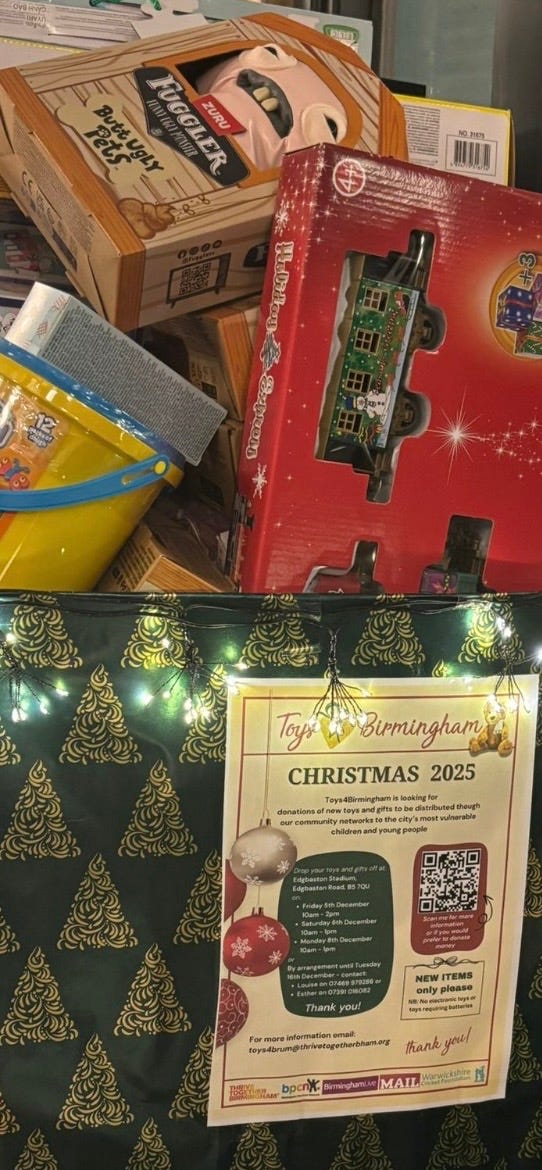
Charitable support has not been limited to cash. On 17 December, staff donated £250 worth of children’s toys to the Toys 4 Birmingham campaign, matching a similar contribution made by customers over recent weeks. The campaign responds to rising demand across the city, with toys distributed through local groups including Brumwish and Thrive Together Birmingham.
That demand continues to grow. Birmingham Live has reported that nearly half of the city’s children live in poverty, with one in three under-16s classed as living in absolute poverty. Birmingham accounts for five of the fifteen most deprived constituencies in the country, twice the national average.
Against that backdrop, local businesses increasingly find themselves filling gaps left elsewhere. Hospitality venues, often operating on thin margins, are among those doing so while facing intensifying pressure of their own. Flat economic growth, reduced consumer spending, and rising costs have already reshaped the sector.
Further strain is expected next April. Business rate changes announced in the Autumn Budget are forecast by UK Hospitality to raise the tax burden on pubs by more than 70 percent. At the same time, a new cycle of rateable values will take effect. Few pubs, whether independent, brewery-owned, or part of larger groups, expect to avoid financial impact.
“There’s real concern about survival,” Loveitt says. “Ironically, being not-for-profit is something people like about us. But next spring, a lot of pubs will be not-for-profit whether they choose to be or not. Breaking even will be the goal. Many won’t get there.”
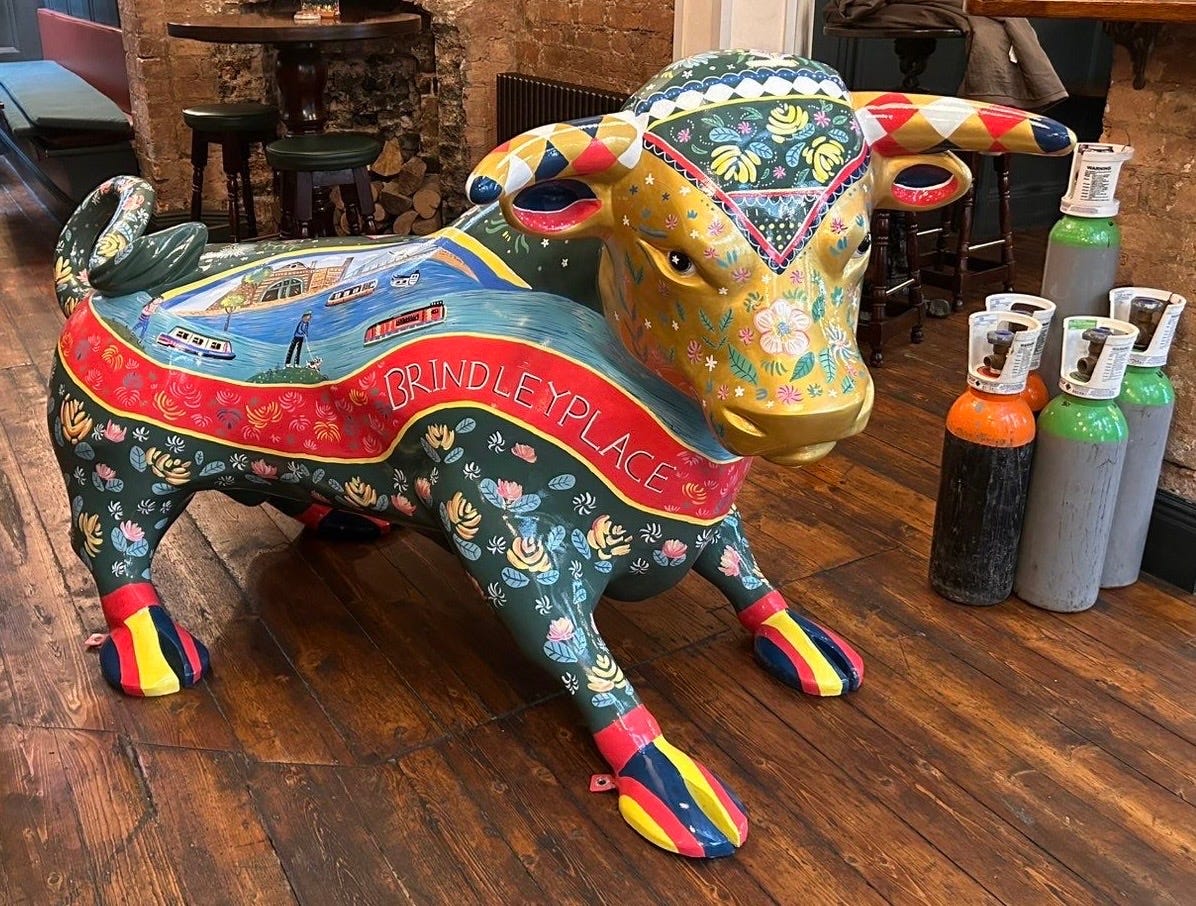
For The Good Intent, charity work now also serves as a way of embedding itself more firmly in the city. That effort was recognised recently with the presentation of a painted bull sculpture by Birmingham Children’s Hospice, part of the Bulls in the City public art and fundraising trail that launched this summer.
For now, Loveitt and his team continue to trade under the name they chose deliberately. With an uncertain spring ahead for pubs across Birmingham and beyond, goodwill and local support are becoming as important as turnover. In a city facing deep structural hardship, businesses like The Good Intent are attempting to hold their ground, not through expansion or spectacle, but by staying open, staying local, and staying visible
.
