


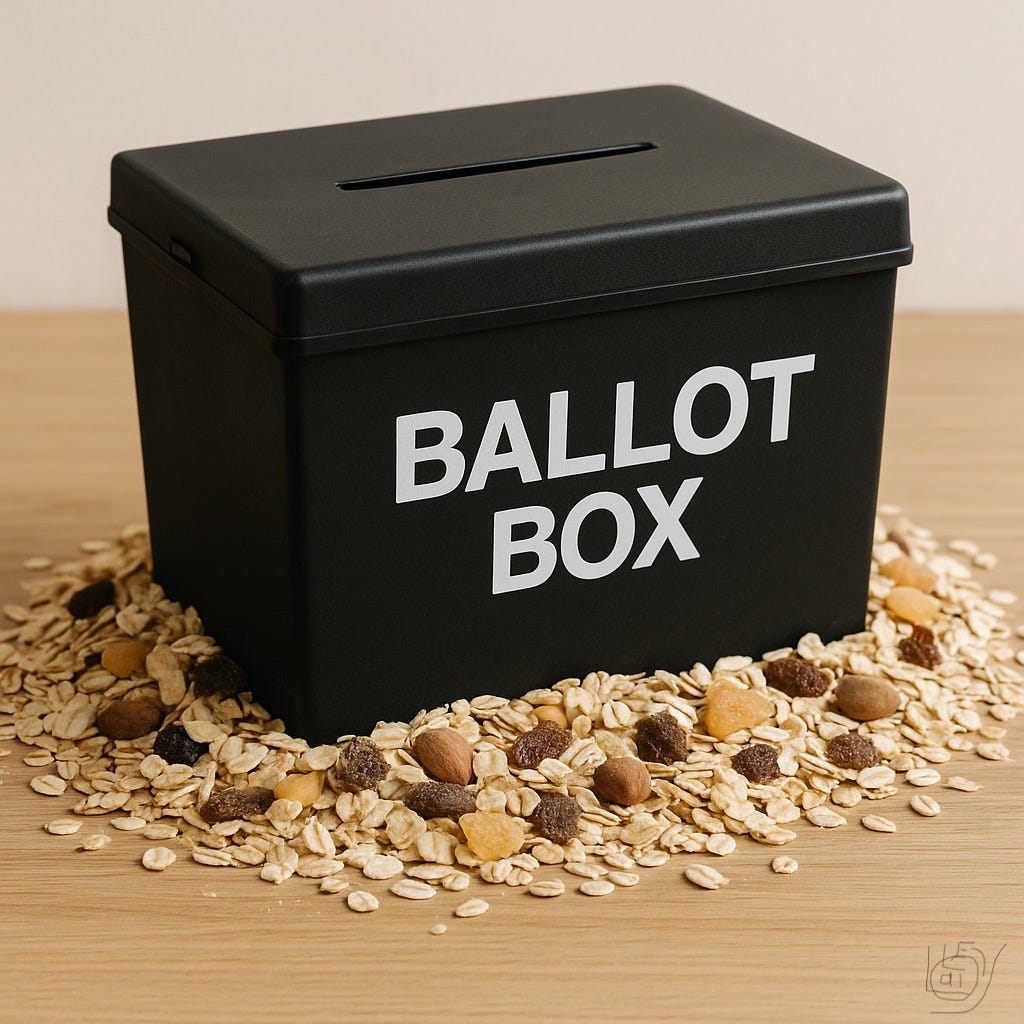
By the time the sun went down in Moseley, Labour supporters had more or less thrown in the towel. It was not for lack of a decent candidate; their man was perfectly credible. But the mood on the ground said it all. The old loyalties had snapped.
A bankrupt council, closed libraries, a bin strike and streets caked in filth gave poor optics for Labour in Birmingham. Add to that an anti-car crusade choking off access to the city centre and its suburbs. It may please a few vocal muesli chomping progressives in Moseley’s coffee shops, but it lands very differently with everyone else. This is a city that feels tired, overtaxed and under loved. The result reflected that exhaustion.
The Liberal Democrats took Moseley with 1,634 votes, Labour trailed with 1,149, and the independent Carol Williams, effectively the Corbynite standard bearer, the real Labour option, drew a remarkable 898. The Greens added 474, Reform managed 345, the Conservatives limped in with 111, and the Birmingham Community Independents trailed at 80.
The Liberal Democrats’ victory owed much to an outsider who ran like an insider. Philip Mills, parachuted in from Erdington, worked the patch with quiet persistence and, to his credit, did remarkably well. Good luck to him; he earned it. But it would be wrong to ignore the steady hand behind his success. Izzy Knowles, Moseley’s other Lib Dem councillor, has become something of a local institution, respected, battle tested, and now the seasoned grandee of Moseley politics. Her influence, her network, and her reputation gave Mills the lifeline he needed to cross the line first.
For Reform, it was a sobering result. The party’s national polling surge did not translate into votes here. Moseley was always going to be a difficult fit, too metropolitan, too wrapped in its own progressive virtue. Yet even so, to finish fifth behind the Greens shows how sharply the cultural divide cuts. Reform speaks to the forgotten Britain beyond the ring road; Moseley votes for policies that make parking outside your house an act of guilt.
Still, Labour’s decline is the real story. It no longer connects with the people it once claimed to represent. The party’s city hall record, economic mismanagement, public decay, moral smugness, is now coming home to roost. Moseley was not an isolated protest. It was the symptom of something far deeper, a political movement that has lost its rhythm.
And if Birmingham’s progressives had a bad night, Wales delivered the hammer blow.
The Caerphilly by-election ended in a political earthquake. Plaid Cymru’s Lindsay Whittle won with 15,961 votes. Reform’s Llyr Powell finished a strong second on 12,113. Welsh Labour’s Richard Tunnicliffe was left with just 3,713, a humiliation in a seat Labour has held since, well … forever..!!
Caerphilly confirmed what Moseley was already whispering. Labour is in big trouble, big trouble indeed. Once impregnable heartlands are fracturing. Reform now commands serious respect in areas where the party barely existed three years ago. Plaid’s resurgence shows how the nationalist and populist wave is breaking not just against Westminster but against Cardiff Bay as well.
Together these results sketch a new political map. Labour’s working-class base is collapsing from under it. The Tories are ghosts. Reform is punching through in the small towns, the valleys, and the old industrial belts. The Lib Dems, ever opportunistic, are sweeping up the anti-Labour vote in the polite suburbs. The voters are no longer loyal. They are restless, mobile, and hungry for something real.
This is not just a momentary protest. It is a long reckoning, the bill for decades of managerial politics. The people who fixed the potholes and collected the bins have been replaced by people who commission diversity audits and ban car journeys. The optics tell the story: closed libraries, overflowing bins, unaffordable parking, and a city leadership that congratulates itself for being on the right side of history while the streets stink.
The deeper truth is cultural. Labour and the Conservatives still speak the language of hierarchy, the managed, the permitted, the directed. Reform’s appeal, by contrast, is instinctive. It taps the gut, the belief that people should be left alone to get on with their lives, that government should serve, not instruct.
And that brings us to next week’s test, Bromsgrove.
Reform already controls Worcestershire County Council. If they hold Bromsgrove, they will prove they can not only campaign but govern. Lose it, and the narrative of irresistible momentum will stumble. But the stakes are higher than one seat. This is where Reform must show whether its revolt can mature into responsibility.
Next week, Bromsgrove becomes the big test, not for who can make noise, but for who can keep control. Reform already holds Worcestershire County Council. Lose Bromsgrove, and that grip slips. Win it, and the message from Caerphilly to the Midlands will be unmissable: the new party of order wears a different badge.
Three contests, three stories, one truth: Britain’s political centre is collapsing. The people are done waiting for promises. From Moseley’s muesli belt to Caerphilly’s valleys, the same refrain echoes. They want their country back, and they are no longer afraid to vote for it.